
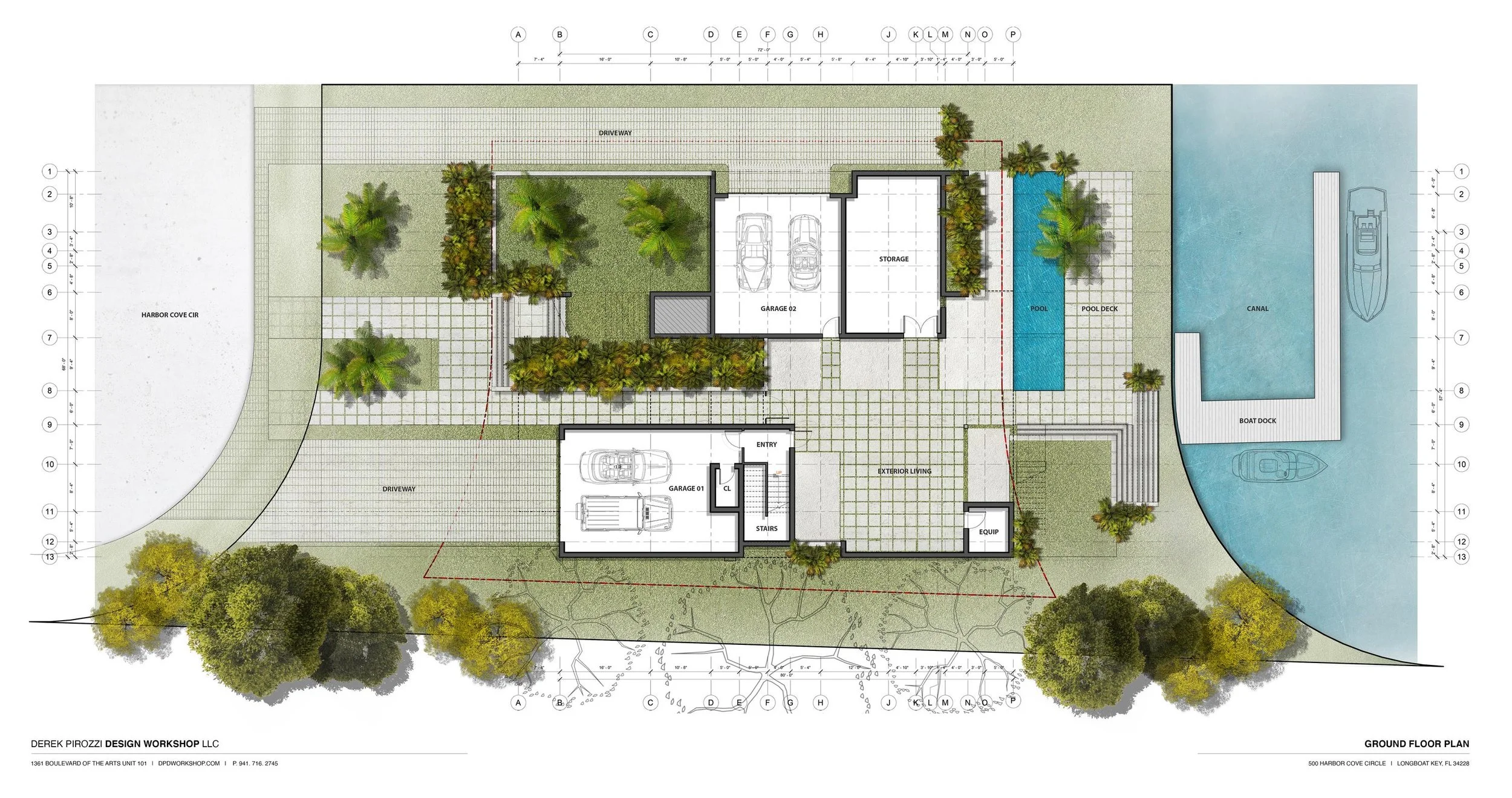
There is a temptation in contemporary residential architecture to begin with an image. A client sends a reference photo from Dezeen or a saved folder of Instagram posts, and before a single site visit has taken place, a formal language is already in motion. We understand the appeal. Aesthetic clarity is seductive. But we resist this sequence because we believe it produces architecture that could be from anywhere. At its worst, it actively works against its own site.
Our process begins differently. Before any formal decisions are made, before a single line is drawn, we spend time reading the land.
What Reading a Site Actually Means
Reading a site is not a perfunctory checklist. It is an extended act of observation. We are trying to understand what the land is already doing: where the sun travels through the day and through each season, which directions catch prevailing breezes, where existing vegetation creates shade or privacy, how the ground changes in elevation, how water moves across or under it.
For waterfront and Gulf Coast sites specifically, we are asking additional questions. Where is the view corridor and is it singular or layered? What does the horizon look like from different points on the parcel? How will the structure sit relative to the water, and what does that mean for the interior experience at different times of day? These are not questions a style reference can answer.
Setback requirements, flood zone classifications, elevation requirements, and coastal construction line restrictions are also part of the reading. They are not constraints we fight against. They are conditions that shape the architecture. The best coastal homes we have built have found their formal logic in response to these pressures rather than in spite of them.
Site as Generator
We think of the site as the primary generator of form. Orientation emerges from solar analysis and view corridors. The section of a building, how it rises, how it steps, how it relates to grade, comes from topography and flood elevation requirements. Entry sequences are shaped by where you arrive, what you see first, and what is withheld until you are inside. None of this is predetermined.
This approach produces homes that are specific. Not specific in the sense of being idiosyncratic or eccentric, but specific in the sense that they could not exist in the same configuration on any other parcel. The architecture is a direct consequence of the land it sits on, the light that moves across it, and the landscape that surrounds it.
Why Style Comes Second
This is not to say style is irrelevant. We have a clear formal sensibility: modern, restrained, and materiality-driven. That sensibility is present in everything we build. But it enters the process after the site has been understood, not before.
When style precedes site reading, the architecture becomes imposing rather than responsive. The building declares itself rather than emerging from its context. For the clients we work with, people who have often spent considerable time and resources acquiring land in one of the most distinctive landscapes in Florida, that imposition is a waste of what they actually own.
The site is not background. It is the architecture. Our job is to make the building understand that.